
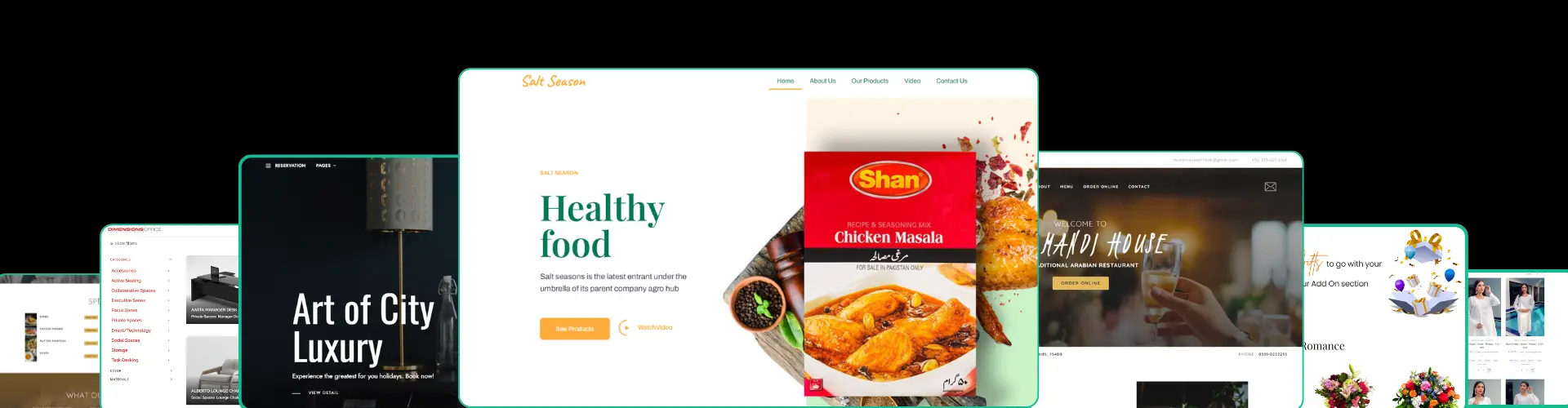
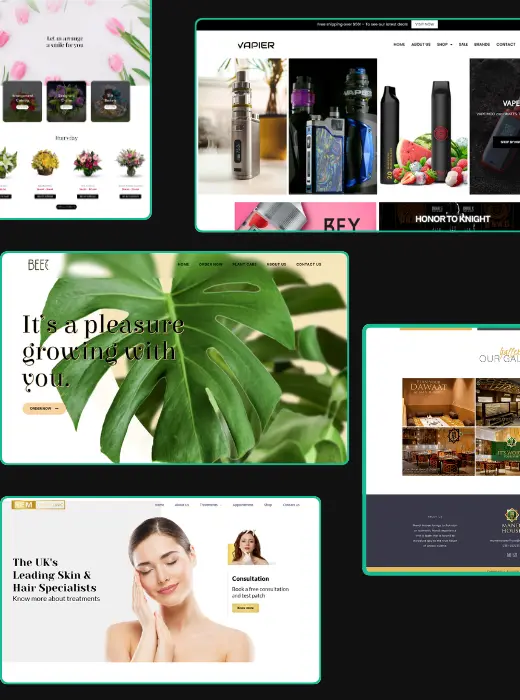







LearnDash and BuddyBoss development for businesses building LMS, membership, and community platforms on WordPress.
From course delivery and member engagement to WooCommerce integrations and platform performance, every system is built with scalability, usability, and long-term maintainability in mind.
Top Rated on Upwork with consistent 5-star client feedback across complex LMS, community, and WordPress development projects.
Helping businesses turn disconnected tools into structured digital platforms that support growth, engagement, and retention.

Design and develop custom WooCommerce stores focused on user experience, conversion flow, scalability, and long-term revenue growth.
I build custom WooCommerce stores that are designed around customer behavior, conversion flow, and long-term scalability. Rather than relying on generic templates, each WooCommerce store is developed with a structured product architecture, optimized purchase journey, and a foundation that can support business growth as products, traffic, and sales increase.
Many WooCommerce stores launch successfully but struggle to support long-term growth. Product organization, user experience, checkout flow, and performance are often treated as secondary considerations, leading to lower conversions and increasing operational complexity as the business expands.
Common issues include:
Every custom WooCommerce development project is built around how customers discover products, evaluate options, and complete purchases. The objective is to create a store architecture that supports conversions, improves usability, and remains scalable as the business grows.
Yes. I provide custom WooCommerce store development for businesses that need a scalable, conversion-focused eCommerce platform built around their products, customers, and growth goals. Every store is structured for performance, usability, and long-term maintainability rather than relying on generic templates.
Every WooCommerce store is built around the specific requirements of the business, product catalog, and customer journey. Depending on the project, this may involve fully custom WooCommerce development, Elementor-based store design, or a combination of both to create a flexible and scalable shopping experience.
Yes. WooCommerce can support large and complex product catalogs when the store architecture, category structure, database performance, and user experience are planned correctly. Scalability is a key consideration in every custom WooCommerce development project.
Yes. Mobile shopping behavior plays a major role in eCommerce performance. Every WooCommerce store is developed with responsive layouts, mobile-friendly navigation, optimized product pages, and a streamlined checkout experience to support conversions across all devices.
Yes. Existing WooCommerce stores can be restructured and optimized to improve performance, usability, conversion rates, and scalability. This may include checkout optimization, product organization improvements, speed optimization, or a complete redesign of the customer purchase journey.
Yes. WooCommerce can be integrated with Elementor, payment gateways, shipping systems, CRM platforms, marketing tools, LearnDash, BuddyBoss, and membership plugins. The goal is to create a connected eCommerce system where store operations, customer experience, and business processes work together efficiently.
Yes. WooCommerce is highly flexible and can support growing businesses when the store is built with scalability in mind. Proper product architecture, performance optimization, conversion-focused design, and structured development help ensure the platform can grow alongside increasing traffic, products, and customer demand.
A high-converting WooCommerce store is built around customer behavior, product discovery, and a friction-free checkout experience. Store architecture, category structure, mobile usability, site performance, and purchase flow all contribute to conversion rates. The most effective WooCommerce stores are designed not only to generate sales today, but to remain scalable as products, traffic, and business requirements grow.
Follow: